How to Choose the Right Tattoo Cover Up Design
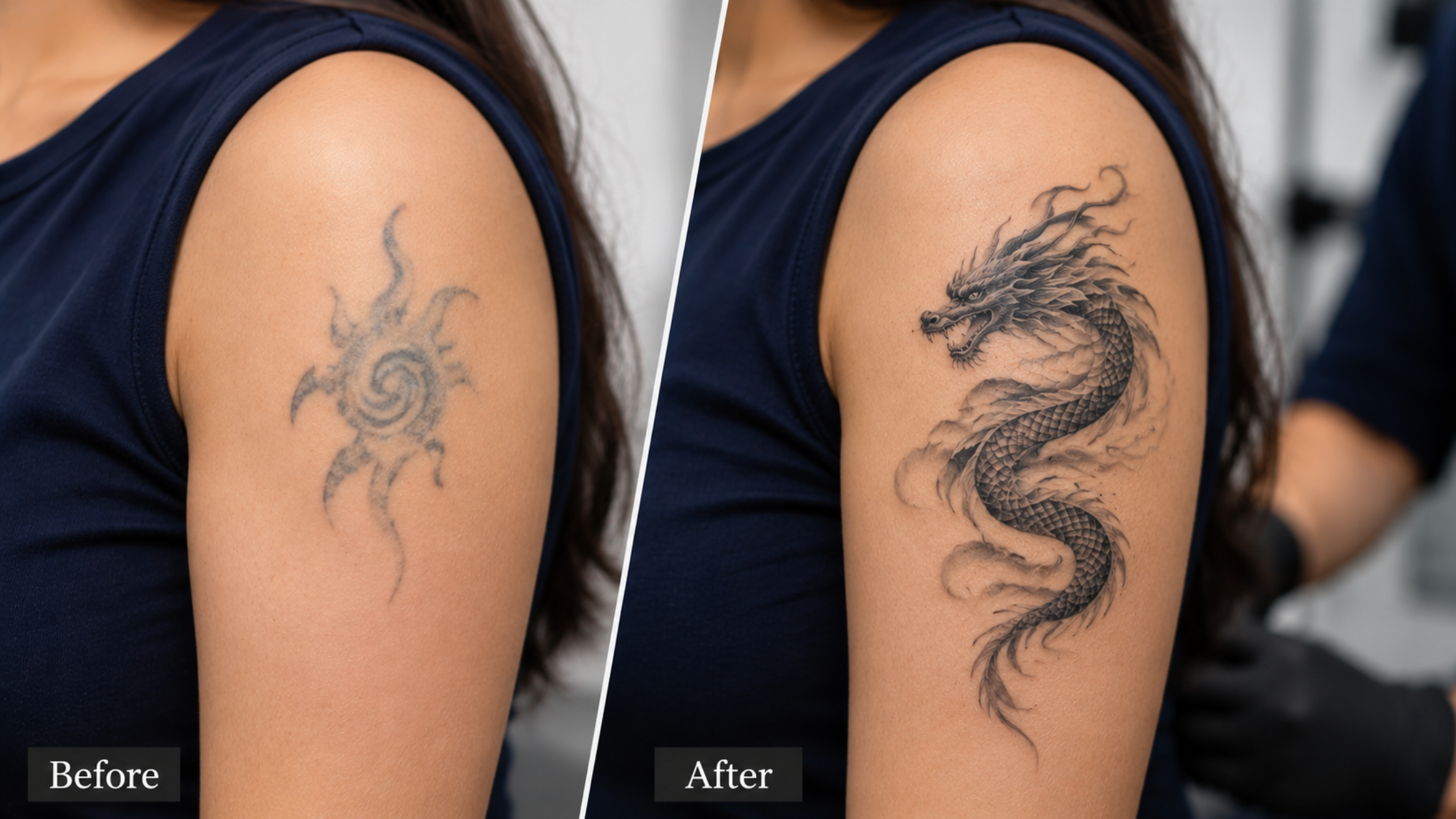
If you have an old tattoo that no longer feels right, a cover up can seem like the simplest answer. You choose a new design, place it over the old one, and move on. In reality, choosing the right tattoo cover up design takes more thought. The new artwork has to work with what is already under the skin, including the size, colour, shape, line work and level of ink.
A design that looks great on blank skin may not work as a cover up. A good cover up does more than hide the old tattoo. It uses the existing ink as part of the planning process, so the finished piece looks intentional rather than like a patch placed over something else.
Before choosing an image, it is worth understanding what makes a tattoo suitable for a cover up, which styles tend to work well, and when tattoo removal or laser fading may give you more choice. A little planning at this stage can make a big difference to the final result.
Start with the tattoo you already have
The first step is not choosing a new design. It is looking closely at the tattoo you want to cover. Its size, colour, age, depth and placement all affect what can be done. A small, faded tattoo may give an artist plenty of room to work, while a large tattoo with heavy black areas can be much harder to disguise.
Colour matters too. Dark and strongly saturated ink can show through lighter colours. Fine lines may be easier to work around than dense blocks of ink, but every tattoo is different.
Think about the shape of the old tattoo as well. A long, narrow outline may suit a different cover up from a round or compact tattoo. The best new artwork often follows the natural shape of the existing piece rather than trying to fight against it.
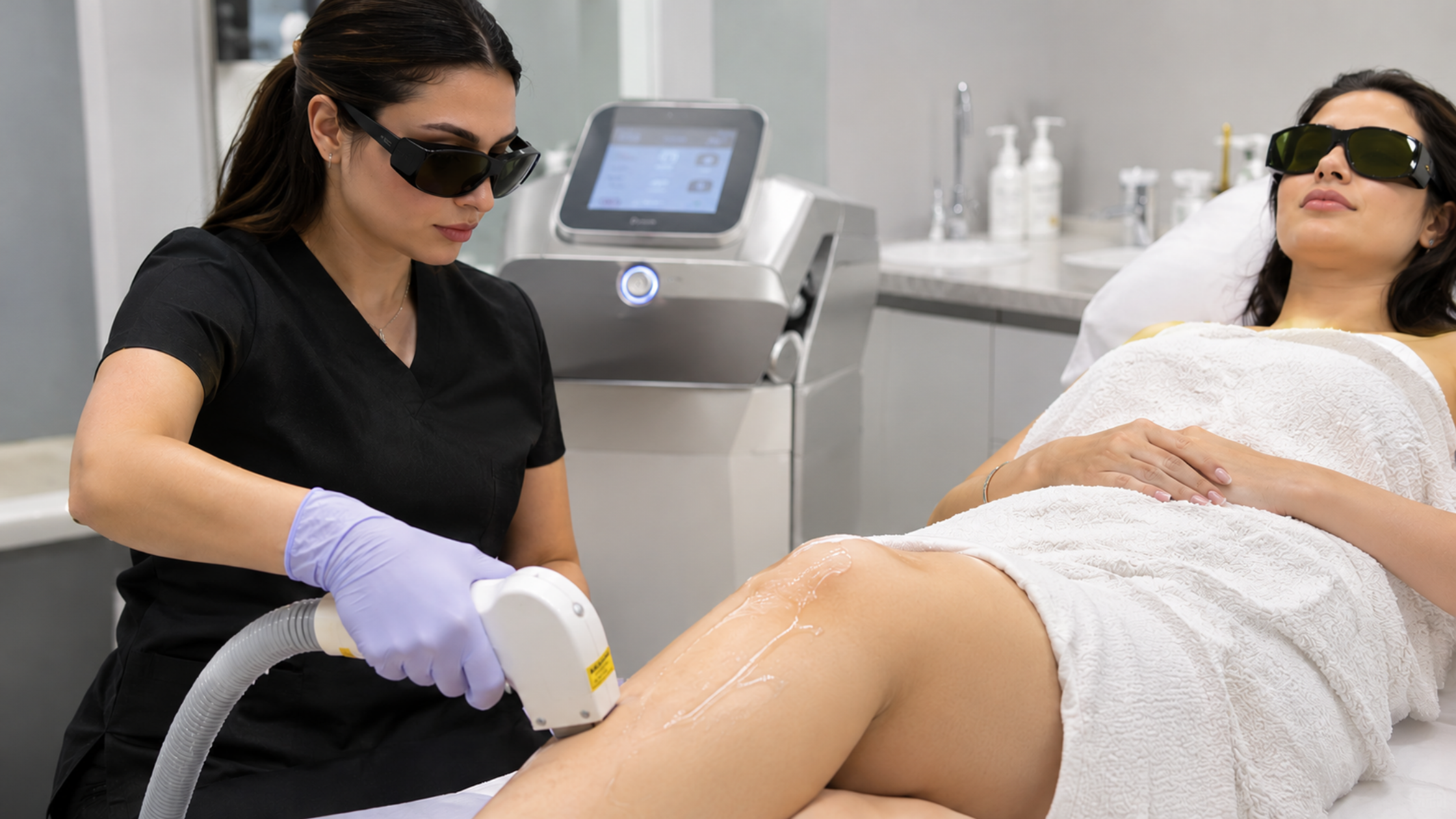
If you are considering laser tattoo removal, it does not always have to mean removing the tattoo completely. In some cases, laser treatment can be used to fade an existing tattoo before a new design is added. This can reduce the amount of dark ink the artist has to work against and may give you more freedom with size, colour and detail.
At DSL Clinic, tattoo removal uses laser technology to break tattoo ink into smaller particles so the body can clear them over time. The clinic offers Q-Switched and picosecond laser options, with treatment assessed according to the tattoo and the individual. The right route depends on the tattoo you have, not simply the design you would like to put over it.
Which tattoo cover up styles tend to work well?
There is no single best tattoo cover up style. The right choice depends on the old tattoo and the look you want. Some design ideas, however, give an artist more ways to use shape, shading and darker areas to conceal existing ink.
Floral designs are popular because leaves, petals and stems can be arranged around parts of an old tattoo. Flowers can also be made more detailed or shaded more strongly where extra coverage is needed. Nature designs can work in a similar way. Animals, trees and birds often give the artist room to build a new image around existing lines.
Black and grey designs can also be useful when the old tattoo is quite dark. Strong shading, contrast and texture can help blend old and new ink. Geometric or abstract designs may suit some tattoos too, especially when the existing shape can be worked into a larger pattern.
The key is not to choose a style simply because it is popular. Choose something you would genuinely want to wear if the old tattoo were not there. A cover up is still a new tattoo, so it should feel right for you.
Think about colour carefully. Adding a very light colour over a dark tattoo will not always hide it. Your artist may suggest a different palette because it gives better coverage. Size matters too. Trying to keep the new tattoo exactly the same size as the old one can limit the result. A slightly larger design may give the artist more space to hide difficult areas and create a more balanced image.
Placement should also be considered. A cover up on the wrist, hand or ankle may need different planning from one on the upper arm, thigh or back. Movement, skin texture and the natural shape of the body can affect how the finished tattoo looks.
When should you choose tattoo removal before a cover up?
Sometimes the best cover up design is not possible straight away. If the existing tattoo is very dark, large or heavily saturated, placing another tattoo directly over it may leave you with limited choices. This is one reason some people consider laser tattoo removal or partial tattoo fading before getting new ink.
The aim does not always have to be complete tattoo removal. For a cover up, the goal may simply be to lighten the old tattoo enough to give the artist more room. How much fading is needed depends on the original ink, its age, colours, depth and location.
Laser tattoo removal is a gradual process. The laser targets tattoo pigment, breaking the ink into smaller particles that the body can gradually clear. Several sessions may be needed, with time between treatments to allow the skin and body to recover and process the pigment. The number of sessions cannot be predicted accurately without assessing the tattoo.
This is why a proper consultation is useful before making a final decision. You can discuss whether a direct cover up is realistic or whether fading the tattoo first could improve your options. A clinic should also consider your skin type, the tattoo and your treatment history before recommending a laser approach.
DSL Clinic describes its tattoo removal service as non-invasive and uses advanced laser systems to target tattoo ink. Its team includes trained laser practitioners, and the clinic says it has operated for more than 15 years. It also offers treatment for darker skin tones, which can be an important consideration when choosing where to have laser tattoo removal.
How to plan your cover up before booking
If you are unsure whether to cover, fade or remove the tattoo, start with an assessment rather than choosing the final design first. Seeing the tattoo in person can make it easier to understand your options. A consultation can also help you think about skin condition, treatment time and whether partial laser fading could give you more design freedom.
The best tattoo cover up is not simply the darkest or biggest design. It is a piece that works with the old ink, suits the body area and still looks good as its own tattoo. Taking time to plan that balance can help you avoid another tattoo you later want to change.
Frequently asked questions
What is the best tattoo cover up design?
There is no single best design. The right choice depends on the size, colour, shape and darkness of the existing tattoo, as well as the style you want. Floral, nature, black and grey, geometric and abstract designs can all work, but the final design should be planned around the tattoo underneath.
Can any tattoo be covered up?
Not every tattoo can be covered easily. Very dark, dense or heavily saturated tattoos can limit your choices. In some cases, partial laser tattoo removal can fade the original ink first, giving the tattoo artist more room to create the new design.
What colour is best for a tattoo cover up?
The best colour depends on the original tattoo. Dark ink can show through lighter pigments, so an artist may recommend stronger colours, darker shading or a different palette. The aim is to create enough coverage while keeping the new tattoo attractive.
Should I remove my tattoo before getting a cover up?
Not always. If the existing tattoo is light or faded, a direct cover up may be possible. If it is very dark or dense, laser fading may give you more design options. A consultation can help you decide whether removal, partial fading or a direct cover up makes the most sense.
How many laser tattoo removal sessions are needed before a cover up?
It depends on what you want. A cover up suits someone who still wants a tattoo but wants to replace the existing design. Laser tattoo removal is more suitable if you want less visible ink or a clear area of skin. Some people use both, with laser fading followed by a new tattoo.