How to Brighten Dull Skin Safely: Treatments, Benefits and Aftercare
Dull skin can make your complexion look tired even when you are getting enough sleep. Uneven tone, dark marks, sun exposure, acne marks, dehydration and a build-up of dead skin cells can all affect how bright your skin looks. If you want a fresher, more even complexion, Skin Whitening treatment may be one option to consider, but safe brightening is not about trying to make your natural skin colour lighter. The aim is usually to reduce excess pigmentation and help the skin look clearer, more even and radiant.
The safest approach starts with understanding why your skin looks dull. Pigmentation can develop after acne or inflammation, through sun exposure, or with conditions such as melasma. These concerns can behave differently, so choosing a treatment without first understanding the cause may lead to irritation or make pigmentation more noticeable. A proper assessment can help you decide whether a professional treatment, a skincare routine, or a combination of both is suitable.
What causes dull and uneven skin?
Dull-looking skin can have several causes. When the surface becomes dry, rough or dehydrated, light does not reflect as evenly, which can make the complexion appear flat. Dead skin cells can also collect on the surface. However, dullness is not always a simple surface problem. Dark spots and uneven pigmentation can make some areas look darker than others, changing the overall appearance of the face.
Hyperpigmentation means areas of skin have become darker because more melanin is being produced. It can follow acne, skin irritation or an injury. Sun exposure can also increase pigmentation. Melasma is another common cause of brown or grey-brown patches, often on the cheeks, forehead or upper lip. The British Association of Dermatologists notes that sunlight can trigger melasma or make it worse, which is why sun protection is an important part of managing pigmentation.
This is why a good brightening plan should focus on skin health rather than aggressive bleaching. Strong products used too often can irritate the skin. Inflammation may then trigger more pigmentation, particularly in skin that is prone to post-inflammatory hyperpigmentation. A gentle routine, sensible sun protection and the right treatment for the cause are more useful than chasing instant results.
Skin Whitening treatments that can help brighten the complexion
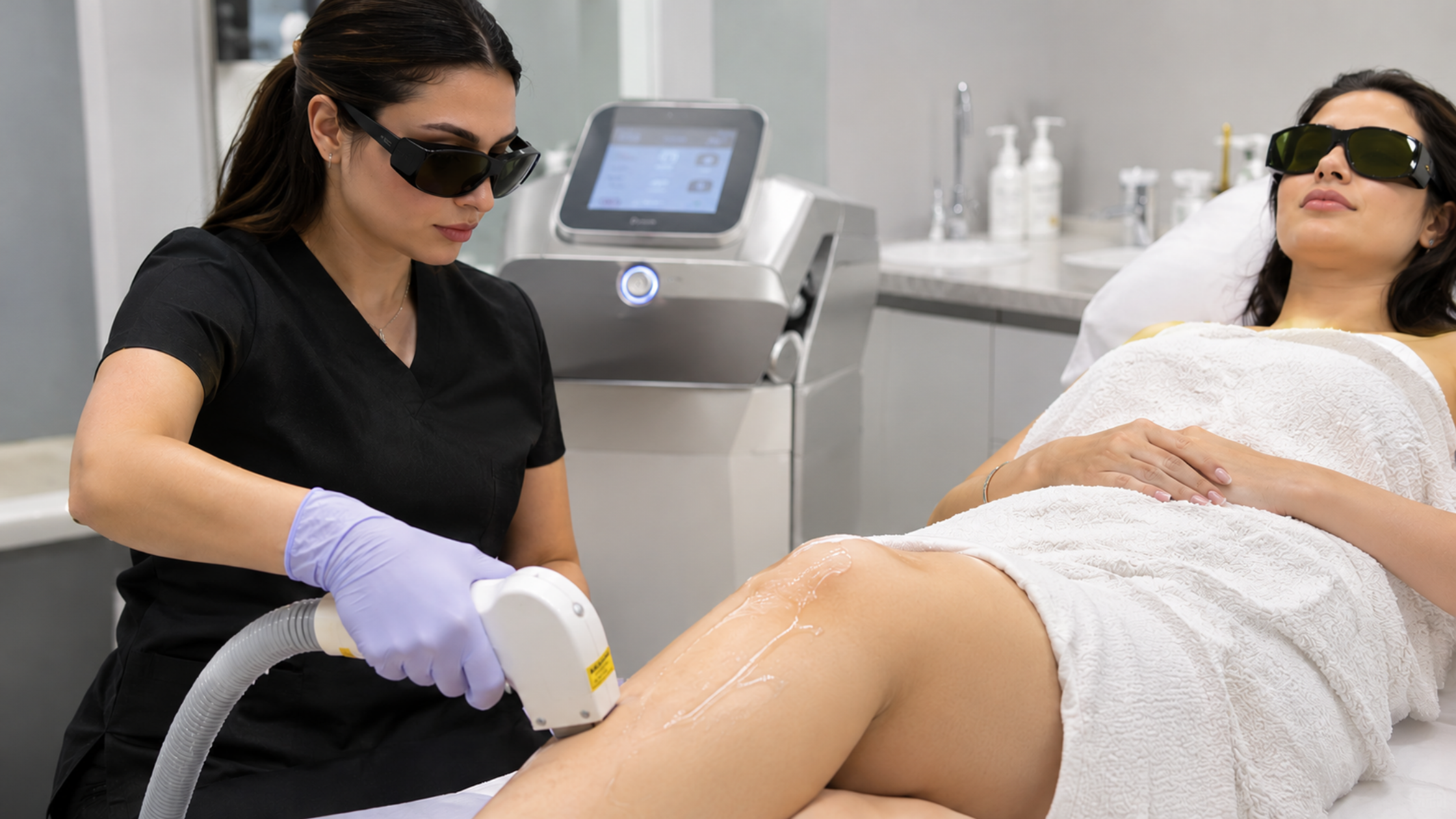
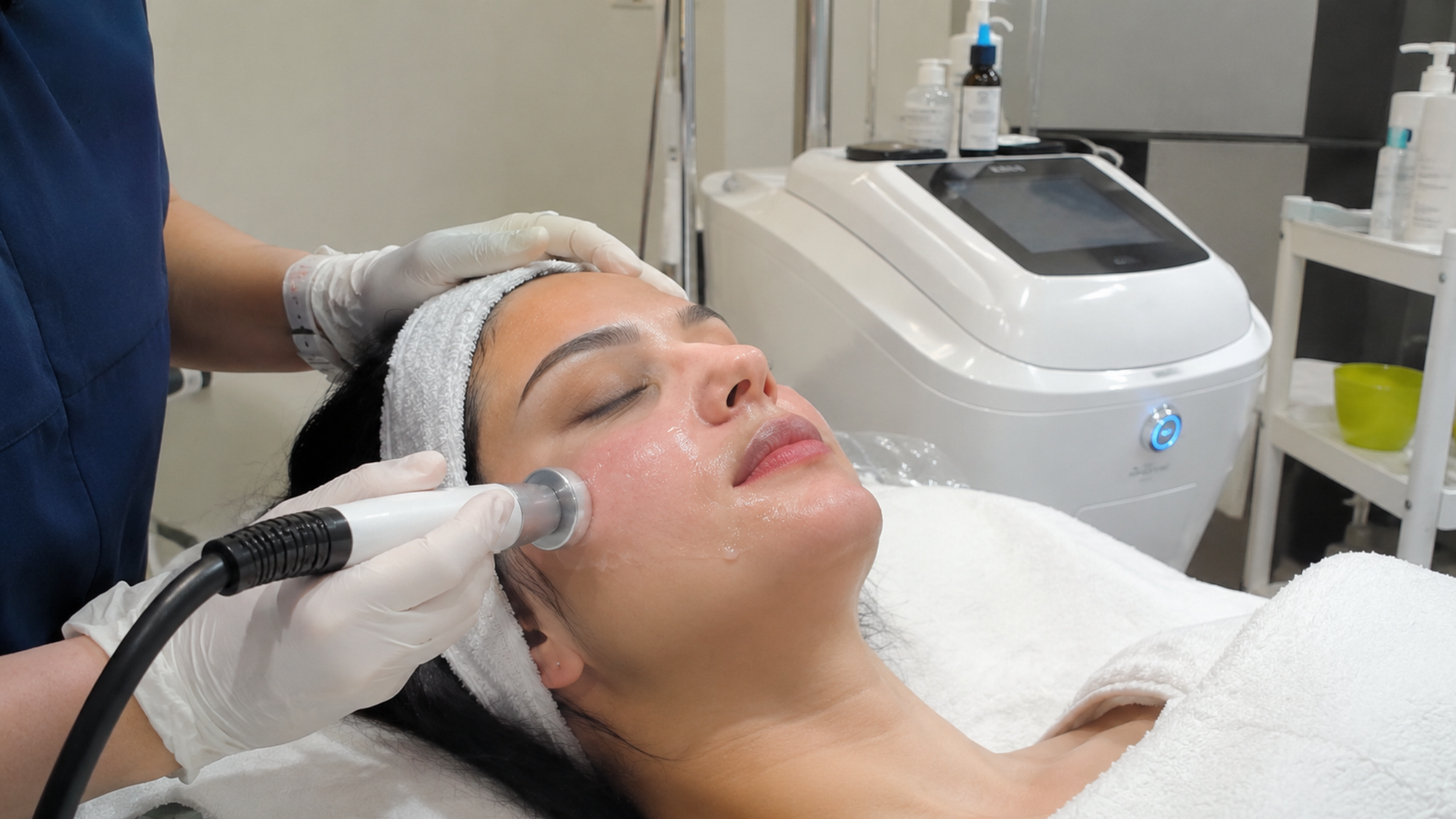
Professional Skin Whitening treatment can involve different approaches depending on the concern being treated. At DSL Clinic, the service describes the use of advanced laser treatment, peels and brightening serums to target pigmentation and improve the appearance of uneven skin tone. The clinic also states that its treatment is non-invasive and suitable for all skin types.
Chemical peels can help by encouraging the removal of older surface cells and improving the look of pigmentation and uneven texture. Different peels have different strengths and ingredients, so the right option depends on the skin and the problem being treated. A peel that is suitable for one person may be too strong for another, which is why professional assessment matters.
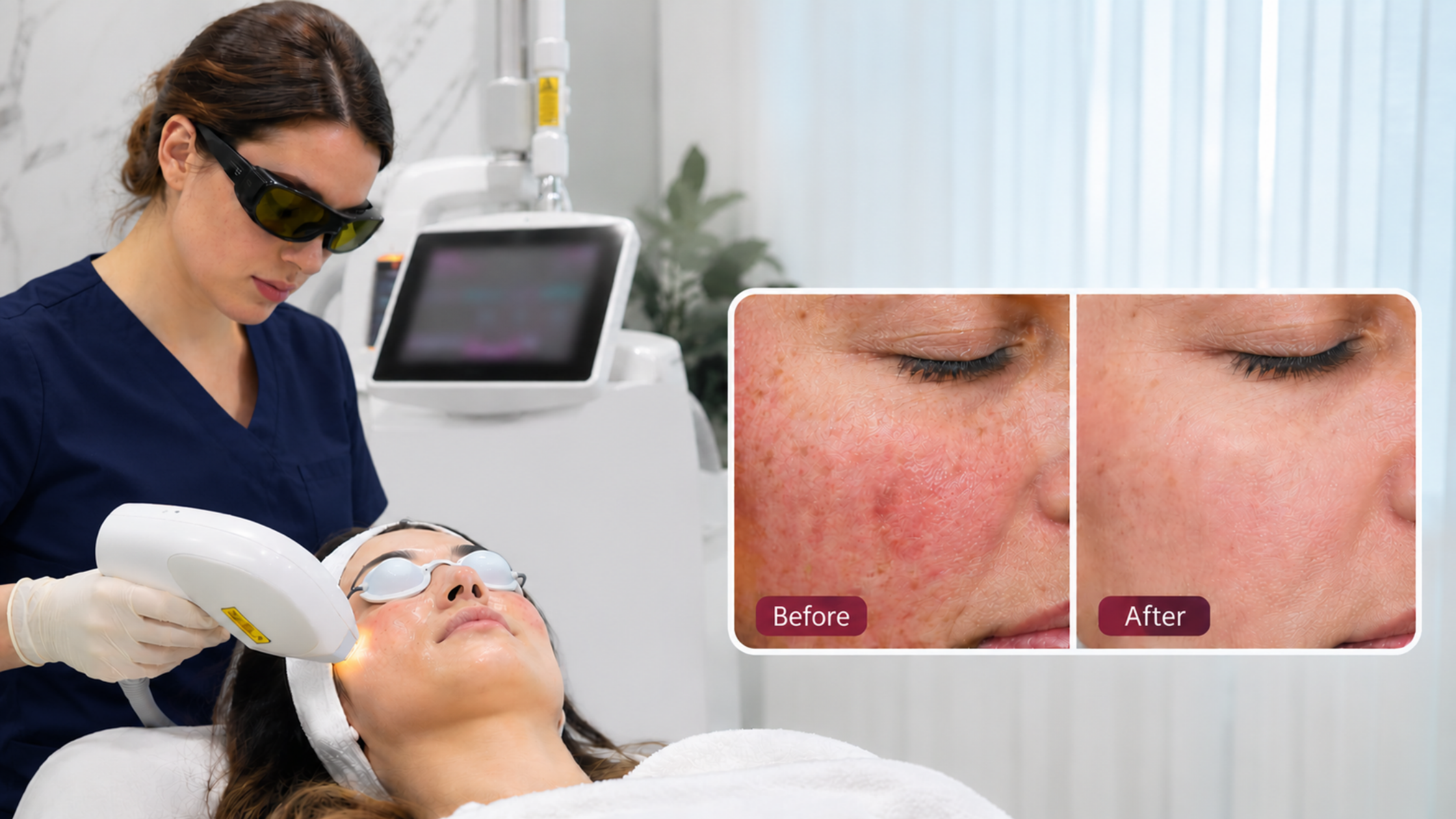
Laser-based treatments may also be considered for some pigmentation concerns. However, laser treatment needs careful selection and settings, especially for darker skin tones. The British Association of Dermatologists warns that laser heat can sometimes contribute to post-inflammatory hyperpigmentation in melasma, so treatment should be chosen with care rather than based simply on the promise of faster results.
Another option for pigmentation is a specialised depigmentation peel such as Cosmelan. DSL Clinic describes Cosmelan as a treatment for melasma, dark spots and uneven tone, with the aim of regulating melanin production and improving skin clarity. Results can develop over several weeks, and aftercare remains important.
Brightening serums may also form part of a wider plan. Ingredients such as vitamin C, azelaic acid, kojic acid and other pigment-targeting ingredients are used in skincare for uneven pigmentation. Some prescription treatments, including hydroquinone and retinoids, can also be used for certain pigmentation problems, but they can cause irritation and should only be used appropriately and under medical guidance.
The benefit of a professional consultation is that it allows the practitioner to look at the type of pigmentation, your skin tone, previous treatments and any sensitivity before suggesting an approach. DSL Clinic says its skin whitening service is supported by doctor and nurse-led care and practitioners trained to NVQ Level 4 in Laser. Its website also states that the clinic has operated for more than 15 years.
What are the benefits of professional skin brightening?
The main benefit is not simply lighter-looking skin. A well-chosen treatment can help create a more even appearance by reducing the visibility of dark spots, acne marks, sun-related pigmentation and uneven tone. DSL Clinic lists hyperpigmentation, dark spots, melasma, sun damage, dull-looking skin and post-acne pigmentation among the concerns its Skin Whitening Treatment aims to address.
Clearer, more even skin can make the complexion look fresher without heavy makeup. Improvements may be gradual rather than immediate. The clinic says many clients see changes after around three to six sessions, although this depends on skin type and the concern being treated.
It is important to have realistic expectations. Pigmentation can return when the trigger remains, particularly with ongoing sun exposure. Melasma can recur even after successful treatment. There is no single procedure that permanently removes every pigmentation problem. The goal is better control and a more even complexion over time.
Aftercare: how to keep skin bright and calm
Aftercare is a major part of safe brightening. Your skin may be more sensitive for a short period after a peel or another professional treatment, so follow the advice given by your practitioner. DSL Clinic notes that mild redness or sensitivity may occur for a few hours, depending on the treatment method, and recommends avoiding sun exposure and using SPF after treatment.
Daily sun protection is especially important when treating pigmentation. The British Association of Dermatologists recommends broad-spectrum sunscreen with at least SPF 30 and good UVA protection for melasma, along with sensible protection such as shade and clothing. For people with darker skin, sun protection can also help reduce the appearance of hyperpigmentation, particularly when exposed to strong sunlight or when managing a pigmentation condition.
Keep your routine simple while the skin settles. A gentle cleanser, moisturiser and sunscreen are often more helpful than adding several strong active products at once. Avoid picking, scrubbing or irritating products unless advised. If your skin becomes very sore, swollen, blistered or unusually dark, seek professional medical advice rather than trying to correct the problem yourself.
A consultation is also useful if pigmentation keeps returning or changes in appearance. Not every dark patch is a cosmetic concern, and new or changing marks should be assessed by an appropriate healthcare professional.
Frequently asked questions
Is Skin Whitening the same as bleaching the skin?
No. Safe Skin Whitening treatment should focus on reducing unwanted pigmentation and evening the appearance of the complexion rather than trying to change your natural skin colour. The aim is clearer, brighter-looking skin while protecting the skin barrier.
How long does Skin Whitening treatment take to show results?
This depends on the cause and the treatment used. DSL Clinic states that many clients notice improvement after three to six sessions, while some pigmentation treatments can show changes over several weeks. Results vary, so a consultation is more useful than expecting one fixed timeframe.
Is Skin Whitening safe for darker skin?
Some brightening treatments can be used on darker skin, but treatment choice and settings matter. Darker skin can be more prone to post-inflammatory hyperpigmentation after irritation. This makes professional assessment and sensible aftercare particularly important.
Can Skin Whitening remove acne marks?
It can help reduce the appearance of post-acne pigmentation, especially when the marks are flat and darker than the surrounding skin. Active acne may need separate treatment, because new breakouts can continue to create new pigmentation.
How often should I use sunscreen after pigmentation treatment?
Sunscreen should form part of your regular daytime routine, particularly when you are treating pigmentation. For melasma, the British Association of Dermatologists recommends broad-spectrum SPF 30 or above with strong UVA protection, alongside shade and clothing where appropriate.