IPL Treatment for Pigmentation and Redness: Benefits and Results
Pigmentation and facial redness can change how even your skin looks, even when your skin is otherwise healthy. Dark spots, freckles, sun damage, broken capillaries and areas of persistent redness can be difficult to improve with skincare alone. This is where IPL treatment can be useful.
IPL, or Intense Pulsed Light, uses controlled pulses of light to target colour in the skin. Depending on the concern, the light can be absorbed by melanin in pigmented areas or by haemoglobin in visible blood vessels. At DSL Clinic, IPL Treatment with Nordlys is used for concerns including pigmentation, freckles, sun spots, redness, rosacea, visible blood vessels and uneven skin tone. The clinic describes the treatment as non-invasive, with minimal recovery time, and normally recommends a course rather than expecting one session to do everything.
Understanding what IPL can and cannot do is important before booking any light-based treatment. The right approach depends on the type of pigmentation, the cause of redness, your skin tone, recent sun exposure and your general skin health. A proper assessment should come before treatment, particularly if you have darker skin or pigmentation that has appeared suddenly.
How IPL Treatment Works for Pigmentation and Redness
IPL is different from a conventional laser because it delivers a broad range of light wavelengths rather than one main wavelength. Filters and treatment settings can be used to focus the light on particular targets. When the light is absorbed by melanin, the pigment absorbs the energy and heats up. When it is absorbed by haemoglobin in small blood vessels, the heat can help reduce the appearance of those vessels. This is why IPL can address both brown and red colour in the skin.
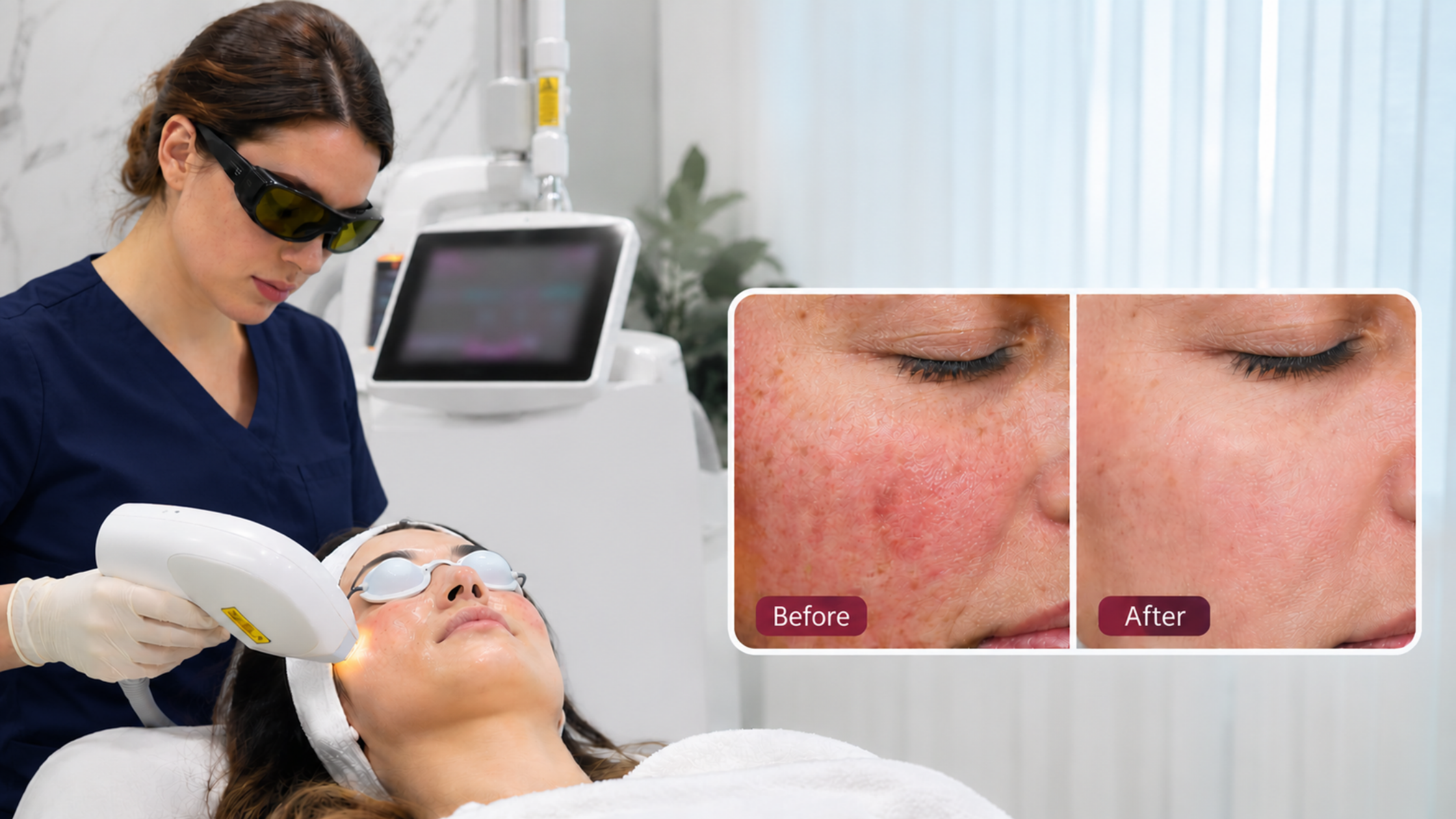
For pigmentation, IPL is often considered for superficial concerns such as sun spots, freckles and some forms of uneven pigmentation. The treated pigment may become darker soon after the session and then gradually fade as the skin clears it. Redness can also improve as light energy is absorbed by visible vessels.
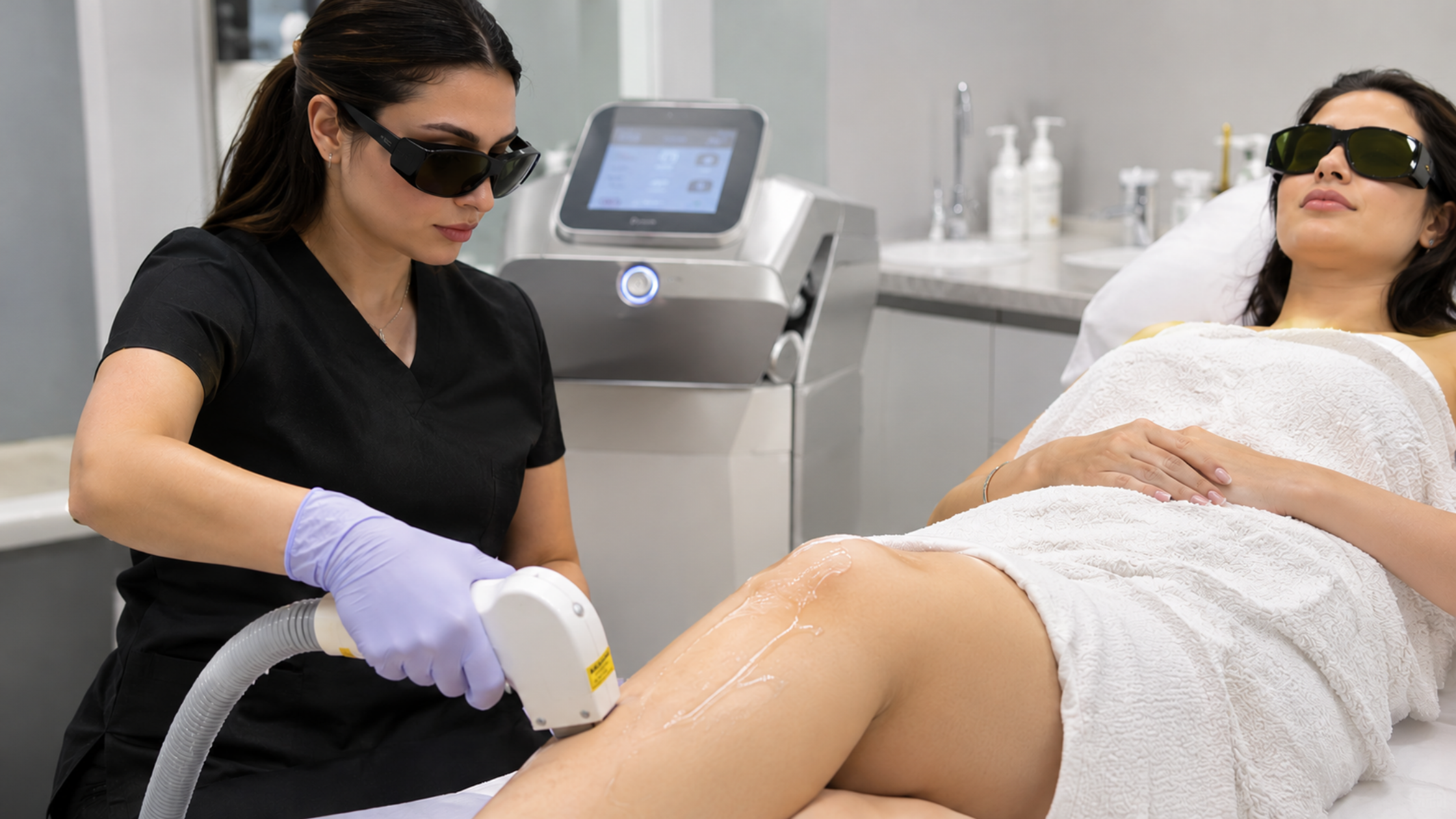
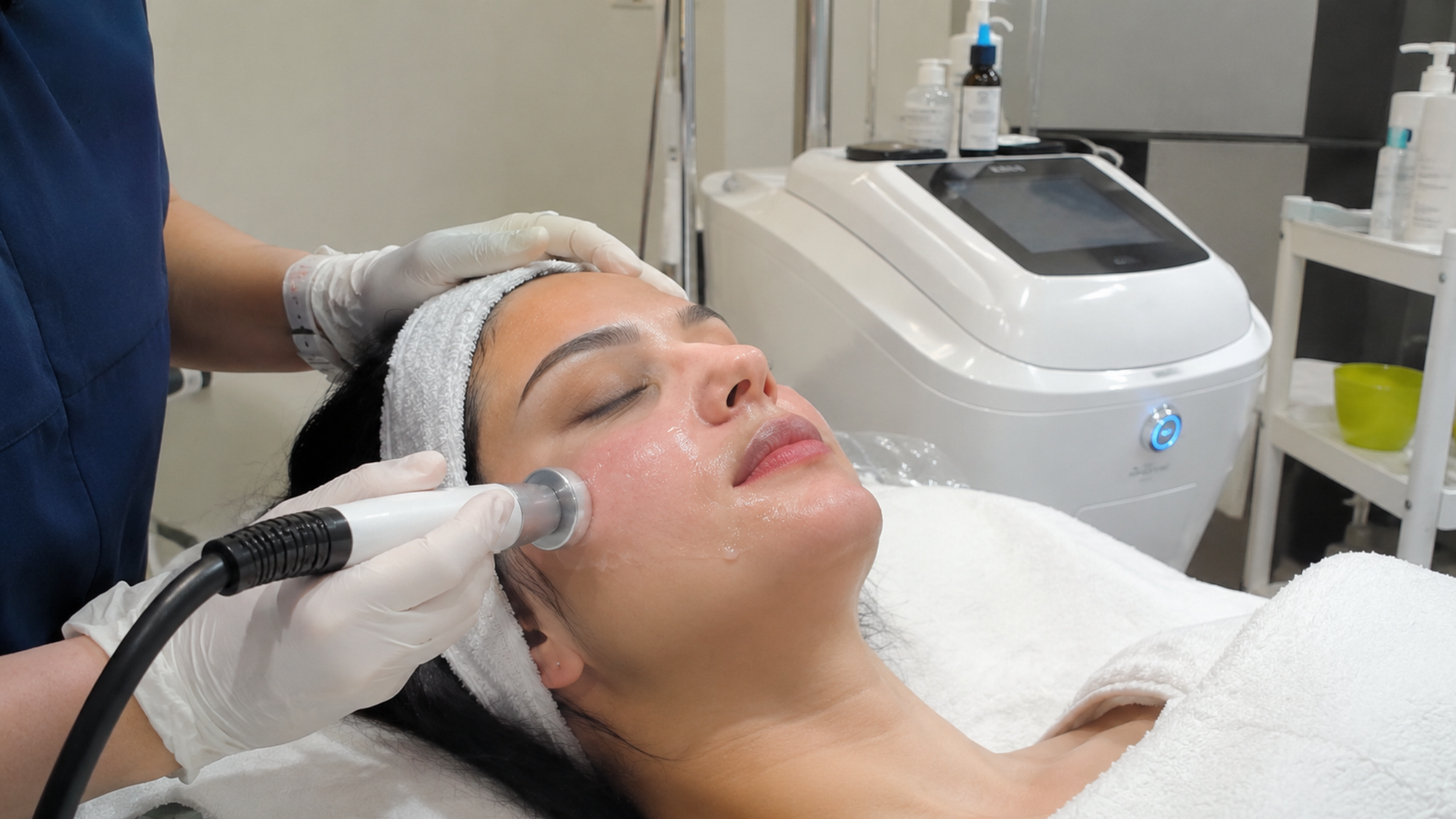
The process is usually fairly quick. A practitioner cleans the treatment area, applies appropriate protection and delivers a series of light pulses through the treatment handpiece. Cooling may be used to improve comfort. People often describe the sensation as a warm snap or light pinch. Temporary redness, warmth or mild swelling can happen afterwards and usually settles over a short period.
The number of sessions varies. DSL Clinic states that IPL Treatment with Nordlys typically involves around four to six sessions, while the exact plan depends on the concern and individual response.
What Results Can You Expect from IPL for Pigmentation and Redness?
Pigmentation may look more pronounced immediately after treatment before it begins to fade. This can be part of the normal response, but it does not mean every dark mark will disappear. The depth, type and cause of pigmentation all affect the result. Pigmentation linked to sun exposure may respond well, while conditions such as melasma need much more care because they can return and may sometimes become worse after heat or light-based treatment.
Redness can also have different causes. Visible small blood vessels, diffuse flushing and rosacea are not identical concerns. IPL may help reduce certain types of vascular redness, but it is not a universal treatment for every cause of a red face. A consultation can help establish whether IPL is suitable or whether another approach would make more sense. DermNet notes that IPL can be used for vascular concerns including facial veins, rosy cheeks and rosacea, as well as freckles and age-related pigmentation.
It is also worth being realistic about what IPL cannot guarantee. Results vary between people, and some marks may need a different treatment. DSL Clinic offers several options for pigmentation and skin concerns, including Cosmelan, BBL, RF microneedling and other laser-based treatments. This is useful because a good skin treatment plan should start with the condition being treated rather than choosing a device simply because it is popular.
Is IPL Treatment Suitable for Your Skin?
Before treatment, the practitioner should also check whether a dark mark is suitable for IPL at all. Not every brown mark is simply sun pigmentation, and not every red area is caused by visible vessels. Diagnosis matters because treating the wrong skin concern can delay improvement or create irritation. This is one reason a consultation is more useful than choosing treatment based only on a photograph or a general description of symptoms.
IPL can be effective, but suitability needs to be assessed carefully. This is especially important for darker skin tones. Melanin in the surrounding skin can absorb IPL energy as well as the intended target. If the settings are not suitable, there is a risk of burns or changes in pigmentation, including post-inflammatory hyperpigmentation. Medical references recommend careful assessment and appropriate device settings when treating darker skin.
Aftercare is simple but important. Keep the skin protected from strong sun, use a broad-spectrum sunscreen as advised, avoid unnecessary heat or irritation immediately after treatment, and follow the clinic's skincare instructions. Do not pick or scrub areas that become darker or flaky. The goal is to allow the skin to settle naturally.
For anyone considering IPL for pigmentation and redness, the most useful first step is not choosing a package. It is finding out what is actually causing the colour change and whether IPL is the right tool for it. At DSL Clinic, consultations can be arranged in clinic, by phone or by video, giving you an opportunity to discuss your skin concerns before treatment. The clinic is doctor and nurse-led and has practitioners with NVQ Level 4 in Laser, with locations including Wembley, Harley Street, North Kensington and Knightsbridge.
Frequently Asked Questions
Can IPL treatment remove pigmentation completely?
IPL can significantly reduce some types of pigmentation, particularly superficial sun spots, freckles and certain areas of uneven tone. Complete removal cannot be promised because pigmentation has different causes and depths. Sun exposure and conditions such as melasma can also cause pigmentation to return. A skin assessment helps set realistic expectations.
How many IPL sessions are needed for pigmentation and redness?
The number of sessions depends on the skin concern, its severity and how your skin responds. DSL Clinic states that IPL Treatment with Nordlys typically involves four to six sessions. Treatments are usually spaced apart to allow the skin to respond and settle between sessions.
Is IPL painful?
Most people find IPL manageable. The sensation is often described as a quick warm snap or pinch when each pulse is delivered. Cooling can make the treatment more comfortable, and the level of sensation can vary depending on the treatment area and settings.
Can IPL treat facial redness and rosacea?
IPL can help reduce some forms of facial redness, visible small blood vessels and rosacea-related redness. However, rosacea is a long-term skin condition and IPL does not remove the underlying tendency for flare-ups. Your suitability should be assessed before treatment.
Is IPL safe for darker skin?
IPL can be used for some people with darker skin, but greater care is needed because melanin can absorb the light and increase the risk of unwanted pigment changes. Treatment settings, device choice and practitioner experience are important. A consultation is particularly valuable if you have a history of pigmentation after skin injury.