Related Articles





28 April 2026
Melasma is one of the most common yet frustrating skin concerns that people face, especially those living in sunny climates. It often appears as dark, uneven patches on the face, usually across the cheeks, forehead, upper lip, and chin. Many people search for answers using questions like what is the best treatment for melasma, how to remove pigmentation safely, or does laser treatment work for melasma. These are valid concerns, because melasma is not just about appearance, it can affect confidence and long term skin health. Understanding how modern treatments such as laser therapy work can help people make informed decisions based on science, safety, and real clinical experience.
Melasma treatment helps reduce dark patches and uneven skin tone by targeting excess pigmentation at its source. It supports clearer, more balanced skin while improving overall appearance and confidence. Many people choose melasma treatment to achieve long lasting results with safer, clinically guided care.
Laser therapy for melasma has become a widely discussed solution due to its ability to target pigmentation at a deeper level. However, it is important to understand that melasma is a complex condition influenced by hormones, sun exposure, genetics, and skin sensitivity. Because of this, treatment requires a careful, personalised approach rather than a one size fits all method. Clinics that specialise in advanced skin treatments, such as those offering melasma treatment services, often focus on combining technology with medical expertise to deliver safe and gradual improvement.
Melasma develops when melanocytes, the pigment producing cells in the skin, become overactive and produce excess melanin. This pigment then settles in different layers of the skin, creating visible dark patches. One of the main reasons why melasma is difficult to treat is that it is not just a surface level issue. In many cases, pigmentation sits deeper within the dermis, which means that topical creams alone may not provide lasting results.
Sun exposure is one of the biggest triggers for melasma. Even small amounts of ultraviolet light can stimulate melanin production, which is why people often notice that their pigmentation becomes darker during warmer months. Hormonal changes, such as those experienced during pregnancy or while taking certain medications, can also contribute to melasma. This is why it is sometimes referred to as the mask of pregnancy.
Another challenge is that melasma can return even after successful treatment if proper care is not maintained. This makes it essential to choose treatments that not only reduce pigmentation but also support long term skin stability. Many people explore options such as chemical peels, topical treatments, and advanced laser therapy for melasma when looking for effective solutions.
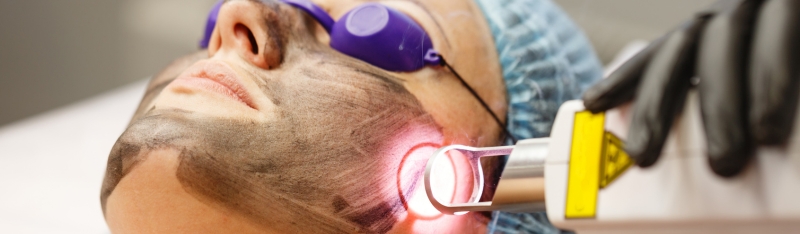
Laser therapy works by delivering focused light energy into the skin, which specifically targets melanin without damaging the surrounding tissue. This process is often referred to as selective photothermolysis. The laser energy breaks down the pigment into smaller particles, which are then naturally cleared by the body over time.
One of the key benefits of laser treatment for pigmentation is its precision. Unlike general skin treatments, lasers can be adjusted based on skin type, pigmentation depth, and sensitivity levels. This is particularly important for melasma, as aggressive treatment can sometimes worsen the condition if not handled correctly.
Low energy laser treatments are often preferred for melasma because they gradually reduce pigmentation while minimising inflammation. This gentle approach helps avoid triggering the melanocytes again, which is a known risk when treating melasma. Over a series of sessions, patients may notice that their skin tone becomes more even, and dark patches begin to fade.
It is also worth noting that laser therapy does not provide instant results. The process is gradual, and improvement is usually seen over several weeks as the skin renews itself. This is why patients are often advised to follow a structured treatment plan that includes multiple sessions along with supportive skincare.
Laser therapy offers several advantages for those struggling with stubborn pigmentation. One of the most important benefits is its ability to reach deeper layers of the skin where melasma often resides. This makes it more effective than surface level treatments in many cases.
Another benefit is improved skin texture and overall appearance. As the laser stimulates collagen production, the skin may appear smoother and more refreshed. This dual effect of reducing pigmentation while enhancing skin quality makes laser therapy a preferred option for many individuals.
Safety is also a key factor when performed by experienced professionals. Advanced clinics that specialise in laser treatment for melasma take into account skin type, medical history, and pigmentation pattern before selecting the appropriate settings. This careful approach helps reduce the risk of side effects such as irritation or post inflammatory pigmentation.
Patients often ask whether laser treatment is suitable for all skin types. The answer depends on the type of laser used and the expertise of the practitioner. Modern technologies are designed to be safer for a wider range of skin tones, but proper assessment is always essential before starting treatment.
Before beginning laser therapy, a detailed skin consultation is usually carried out to understand the depth and type of melasma. This helps determine whether laser treatment is suitable or if a combination approach would be more effective. In some cases, clinics may recommend preparing the skin with topical treatments before starting laser sessions.
During the procedure, patients may feel a mild warming or tingling sensation as the laser is applied to the skin. Most modern systems include cooling mechanisms to enhance comfort. The treatment itself is usually quick, depending on the size of the area being treated.
After the session, the skin may appear slightly red or sensitive, similar to mild sun exposure. This typically settles within a short time. Patients are strongly advised to use broad spectrum sunscreen daily, as protecting the skin from sunlight is essential to prevent recurrence of melasma.
Post treatment care plays a major role in achieving good results. Gentle skincare, hydration, and avoiding harsh products help the skin recover and maintain improvements. Many clinics also provide guidance on long term skin management to ensure that results are sustained.
While laser therapy is effective, it often works best when combined with other treatments. This may include topical creams that regulate melanin production, medical grade skincare, and lifestyle changes such as sun protection. This combination approach addresses both the visible pigmentation and the underlying causes of melasma.
For example, using ingredients like azelaic acid or vitamin C alongside laser sessions can enhance results by supporting skin renewal and reducing pigment formation. Some clinics also recommend periodic maintenance treatments to keep pigmentation under control.
It is important to understand that melasma is a chronic condition, which means it requires ongoing care rather than a one time solution. Patients who follow a consistent routine often experience better and longer lasting outcomes.
Many people wonder if laser treatment can permanently remove melasma. The honest answer is that while laser therapy can significantly reduce pigmentation, maintenance is usually required to prevent recurrence. This is because the factors that trigger melasma, such as sun exposure and hormones, may still be present.
Another common question is whether laser treatment is painful. Most patients describe the sensation as mild and tolerable. Advances in technology have made treatments more comfortable, with minimal downtime.
Safety is also a frequent concern. When performed by trained professionals using appropriate settings, laser therapy is considered safe for treating melasma. However, incorrect use of high energy lasers can lead to complications, which is why choosing an experienced clinic is essential.
People also ask how many sessions are needed. This varies depending on the severity of the pigmentation and individual skin response. Some may see improvement after a few sessions, while others may require a longer course of treatment.
Treating melasma requires more than just advanced technology. It demands a deep understanding of skin behaviour, pigmentation patterns, and patient specific factors. Clinics that focus on evidence based approaches and personalised care are better equipped to manage this condition effectively.
A professional approach often includes detailed assessment, customised treatment planning, and ongoing support. This ensures that each patient receives care that is suited to their skin type and condition rather than a generic solution.
In addition, experienced practitioners are able to recognise when laser therapy should be combined with other methods or when alternative treatments may be more suitable. This level of judgement plays a key role in achieving safe and consistent results.
Maintaining results after laser therapy is just as important as the treatment itself. Daily sun protection is the most critical step, as even brief exposure can trigger pigmentation. Using a high quality sunscreen with broad spectrum protection helps shield the skin from harmful ultraviolet rays.
Incorporating gentle skincare products that support skin health can also make a difference. Hydration, barrier repair, and avoiding irritation are key elements of long term care. Patients are often advised to avoid harsh exfoliation or unverified home remedies that may disrupt the skin.
Regular follow ups with a skincare professional can help monitor progress and adjust the treatment plan if needed. This ongoing care ensures that any signs of recurrence are managed early.
Laser therapy has become an important option in the management of melasma, offering a targeted and controlled way to reduce pigmentation. By breaking down excess melanin and supporting skin renewal, it helps improve skin tone over time. However, successful treatment depends on a combination of professional expertise, personalised care, and consistent aftercare.
For those searching for answers to questions such as how to treat melasma effectively or whether laser therapy is safe for pigmentation, the key lies in understanding that melasma is a long term condition that requires a thoughtful approach. With the right guidance and treatment plan, it is possible to achieve clearer, more even skin while maintaining its health and balance.
At DSL Clinic, we offer expert led melasma treatment designed to gently target stubborn pigmentation while supporting long term skin health. We use advanced laser methods alongside customised care plans to help fade dark patches and restore a more even complexion. Our focus is on safe, gradual results that enhance skin clarity without compromising its natural balance.